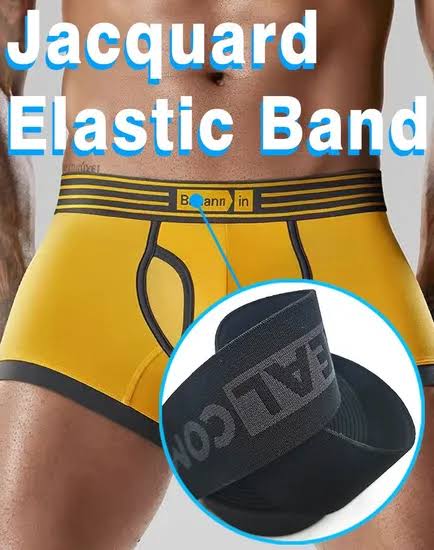
Designing and manufacturing a unique, high-quality waistband is one of the most effective ways to elevate a menswear brand. From premium boxer briefs to functional activewear, a well-crafted elastic band blends branding, comfort, and structural integrity.
Whether you are launching a new product line or upgrading an existing collection, mastering the process of custom jacquard elastic band sampling ensures your final production run meets exact specifications without costly mistakes.
In this comprehensive guide, we walk through the step-by-step process of designing and sampling a custom jacquard elastic band for men’s boxer briefs.
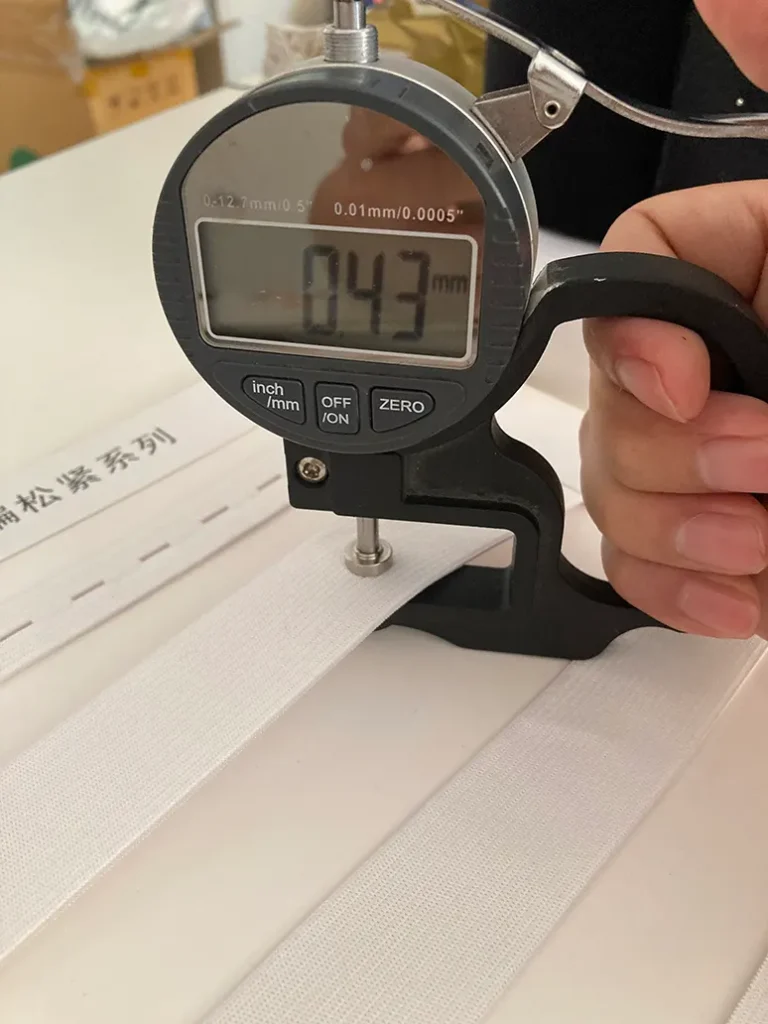
Step 1: Purpose-Driven Requirements Analysis & Calculations
Before spinning threads or starting loom production, every successful project begins with clear requirements and pre-production calculations.
Suppose you plan to produce 2,000 pairs of men’s boxer briefs, split evenly between Size L (1,000 units) and Size XL (1,000 units), using a 1.5-inch wide waistband. Based on standard sizing specifications:
Total Elastic Needed = (38 inches × 1,000) + (42 inches ×1,000) = 80,000inches ≈ 2,230 yards
Calculating raw material demands ahead of time helps determine yarn requirements, reduces material waste during production, and sets accurate parameters for the initial custom jacquard elastic band sampling phase.
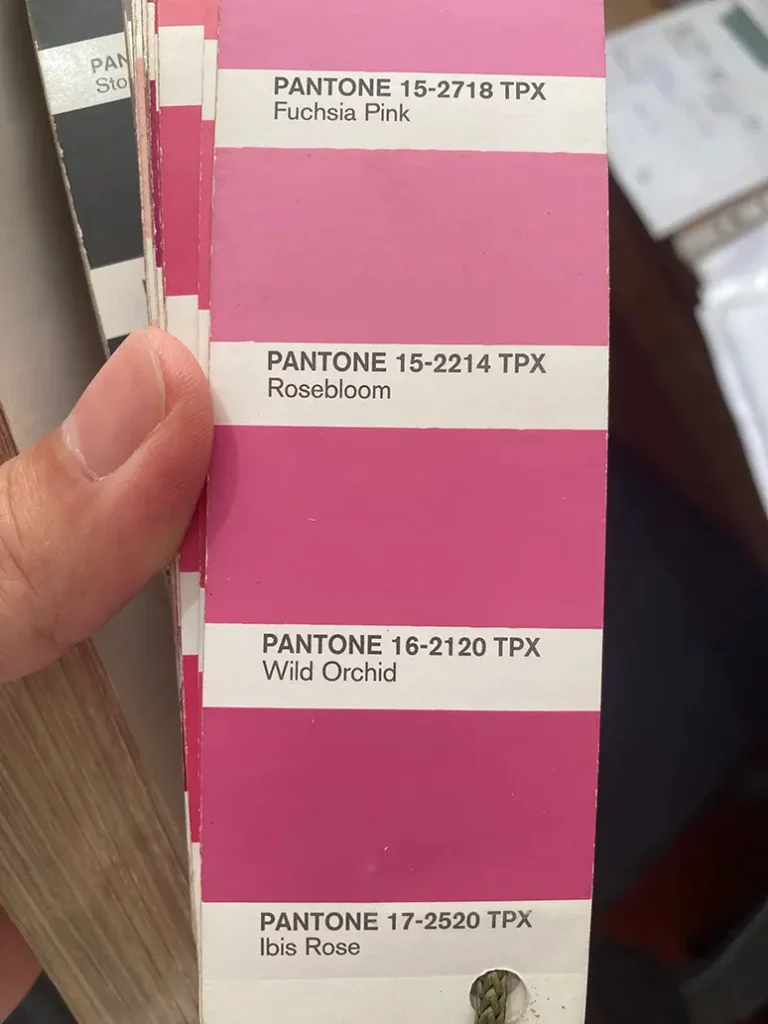
Step 2: Selecting Yarns & Elastic Core Materials
Because underwear elastic stays in direct contact with human skin, comfort, skin-friendliness, and breathability are top priorities.
Warp & Weft Yarns
- Standard Nylon: Offers high durability and strong moisture-wicking properties.
- Silky Nylon (70D–100D): Delivers a premium, smooth texture against the skin. Its fine denier enables ultra-detailed logo reproduction and intricate jacquard patterns. It is highly recommended for warp yarns.
Elastic Core
- Spandex (Elastane): Far superior to latex in terms of skin comfort, elasticity retention, and hypoallergenic performance. It remains the top choice for high-end consumer brands.
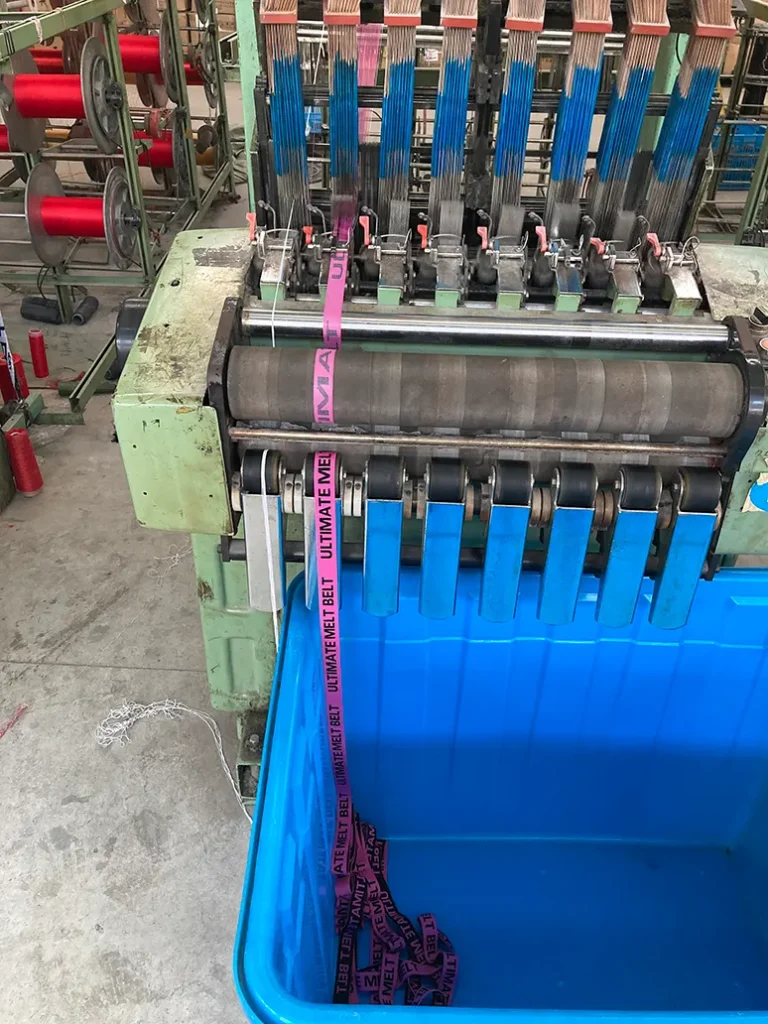
Step 3: Comparing Weaving Textures & Structures
The choice of weave structure directly impacts the tactile feel, sweat absorption, and long-term durability of the waistband.
| Weave Structure | Key Characteristics | Best Application |
| Plain Weave | Flat, highly durable, low snagging risk | Outer surface for crisp logo display |
| Rib Weave | Elastic structure with classic vertical lines | Outer or inner structural bands |
| Twill Weave | Longer yarn floats; higher sweat absorption | Inner band surface for skin comfort |
Note: While twill weave on the inner surface enhances moisture absorption, long yarn floats may snag or pill over time. You can assign different weave structures to the inside and outside of the band to balance comfort and performance.
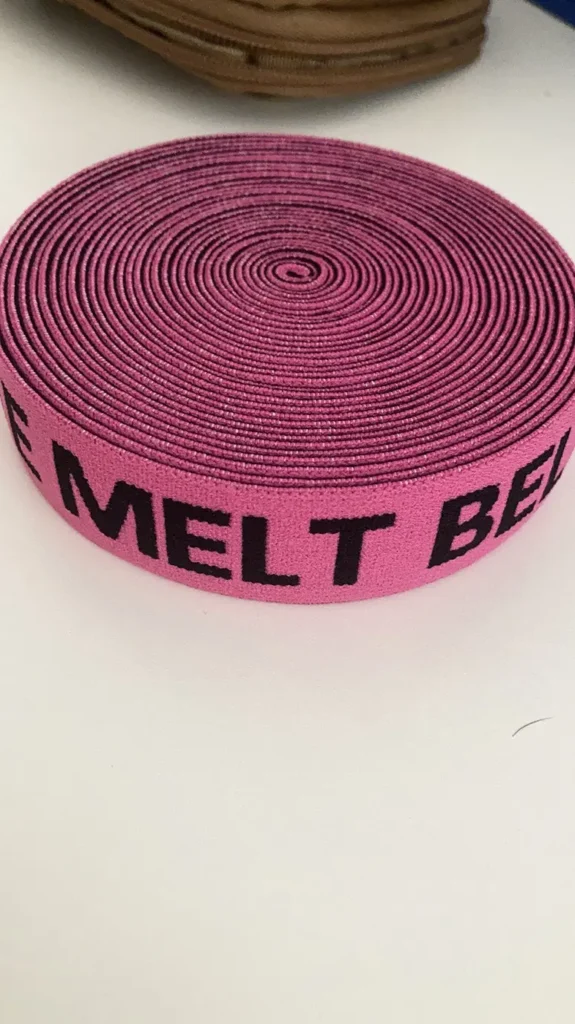
Step 4: Jacquard Artwork & Technical Design Setup
Once the 1.5-inch width is established, the design must be translated into technical digital artwork. Key factors during artwork preparation include:
- Logo Placement & Repeat Length: Decide whether your logo requires centered positioning on the front of the waistband or a continuous repeating pattern (loop cycle). Centered logos require optical registration marks for accurate cutting and sewing.
- Sewing Margin Allowances: Always reserve 3 mm to 5 mm of unpatterned trim at the bottom edge. This margin ensures the waistband can be stitched to the garment fabric without truncating logos or text.
For more technical insights into narrow-fabric jacquard machinery and digital pattern programming, explore modern Computerized Jacquard Loom Technology.
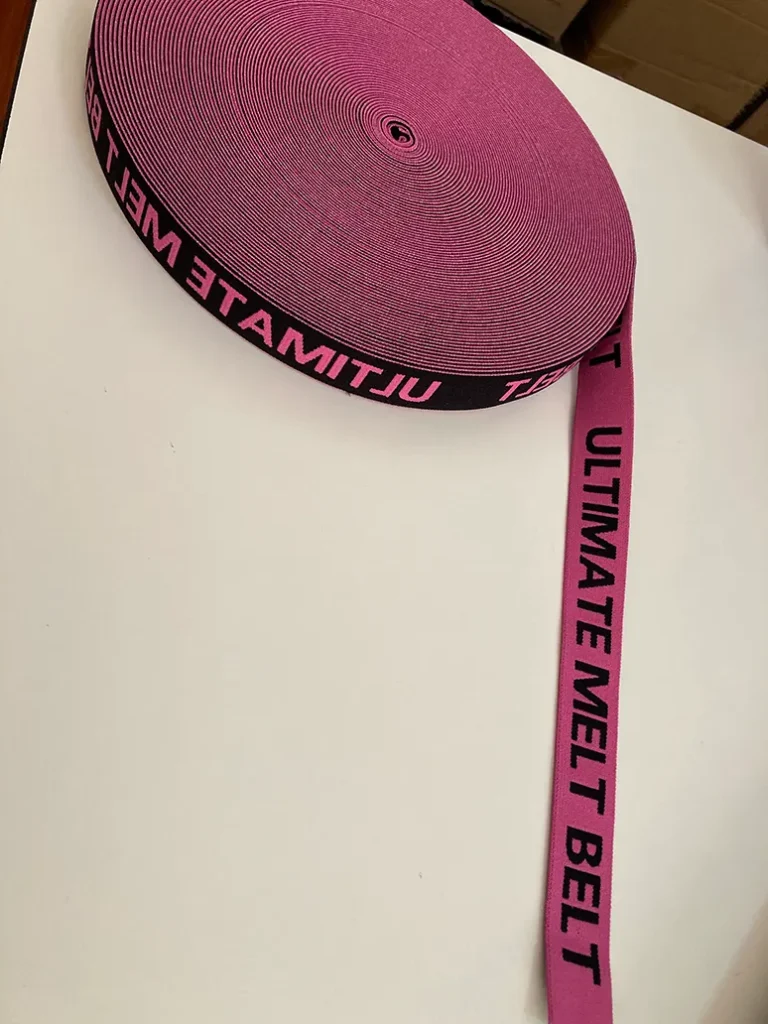
Step 5: The Custom Jacquard Elastic Band Sampling Process
With yarn selections finalized and digital artwork approved, the physical sampling phase begins.
[ Artwork Approval ] ──> [ Computerized Loom Setup ] ──> [ Dyeing & Pre-Shrinkage (3 Days) ] ──> [ Quality Control ] ──> [ Express Shipping (5-7 Days) ]
During custom jacquard elastic band sampling, the digital file is loaded into the computerized jacquard loom. Key post-treatment steps include:
- Dyeing & Pre-Shrinkage: Raw yarns or woven bands undergo color matching and pre-shrinking treatments (typically taking ~3 days) to prevent shrinkage during customer laundering.
- Rigorous Quality Control (QC): Quality inspectors verify stretch recovery, color fastness, edge curl resistance, and dimensional consistency against strict industry standards.
- Sample Delivery: Finished physical samples are dispatched via express courier, arriving within 5 to 7 business days for client review.
If you are currently developing custom apparel trim packages, check out our Custom Waistband Design Services to request your physical samples today.
Step 6: Prototype Stitching & Performance Testing of custom jacquard elastic band sampling
Once sample rolls arrive, cut the elastic bands to exact garment specs (e.g., 38 inches for Size L, 42 inches for Size XL) and sew them into prototype garments.
Key Verification Metrics:
- Fit & Recovery: Test waist tension, modulus, and recovery after repeated stretching.
- Stitch Integrity: Verify that the 3–5 mm sewing margin seamlessly integrates with the garment fabric without covering logo details.
- Wash & Wear Test: Wash prototypes through multiple laundering cycles to evaluate color retention, pilling resistance, and soft hand-feel.
Conclusion
From initial yarn selection to prototype stitching, thorough custom jacquard elastic band sampling bridges the gap between digital design and high-volume garment production. By optimizing yarn counts, weave structures, and mechanical margins, you guarantee a comfortable, durable, and visually distinctive finished product.