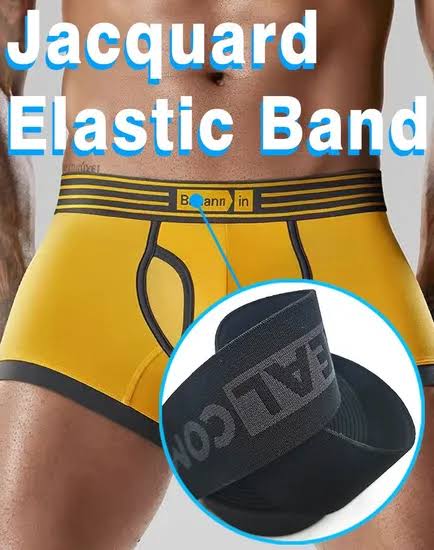
When designing activewear, underwear, or outerwear, most brand owners focus heavily on selecting the primary shell fabric. However, if there is one component that directly dictates garment fit, structural durability, and customer comfort, it is the elastic band.
Choosing the wrong trim can lead to sagging waistbands, skin irritation, unexpected size variations on sewing lines, or premature wear after just a few washes. Here is an actionable, practical breakdown of what garment designers and sourcing managers must evaluate before placing a bulk order.
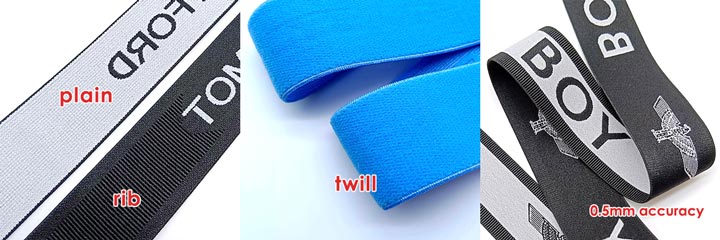
1. Structure & Weave Type
Selecting the correct structural construction for your elastic band is the first step in ensuring functional compatibility with your garment:
Woven Elastics: Known for their high density, firmness, and structural strength, woven trims do not narrow (neck down) when stretched. They are the top choice for outerwear, heavy waistband applications, tactical gear, and medical supports.
Knitted Elastics: Soft against the skin, flexible, and lightweight, knitted options work exceptionally well for loungewear, sleepwear, and delicate innerwear.
Jacquard Elastics: Ideal for brands seeking custom logo integration, typography, or intricate patterns engineered directly into the fabric matrix. A high-density woven jacquard elastic band offers premium visual branding alongside superior structural stability and long-term stretch memory.
2. Stretch Ratio & Modulus (Tension Calibration)
Not all elasticity is created equal. Understanding the relationship between stretch percentage and recovery tension prevents garment fitting failures:
Low Modulus (Soft Stretch): Provides gentle support and high elongation. Best suited for daily underwear, lounge shorts, and seamless base layers where skin comfort is paramount.
High Modulus (Firm Tension): Delivers powerful recovery force to keep garments anchored during intense movement. Essential for compression activewear, running tights, athletic waistbands, and protective sports gear.
3. Advanced Yarn & Sustainable Material Selection
Yarn composition influences both environmental compliance and hand feel. Sourcing certified materials protects your brand from regulatory hurdles and consumer complaints:
Skin Safety Standards: Always demand OEKO-TEX Standard 100 certified yarns for any elastic band that touches skin directly, ensuring the material is free from harmful chemicals, allergens, and heavy metals
Eco-Friendly Collections: For sustainable lines, specify Global Recycled Standard (GRS) certified recycled polyester (rPET) paired with high-grade spandex or latex cores.
Core Elastomers (Spandex vs. Rubber): High-end fashion relies on spandex cores for smooth recovery and longevity, whereas heavy-duty industrial or outdoor gear often utilizes premium rubber cores for max tensile resistance.
4. Color Fastness & Industrial Washing Resistance
Custom-dyed trims must maintain their visual appeal throughout the garment’s lifecycle. Always verify that custom-dyed yarns accurately match your target Pantone codes (TPX/TCX) and undergo laboratory fastness testing. A quality elastic band must withstand repeated home or industrial laundering, sweat exposure, and friction without dye bleeding, surface pilling, or core yarn degradation.
5. Prototyping & Bulk Testing Guidelines
Before committing to mass production minimum order quantities (MOQs), always test physical pre-production samples:
Stretch Recovery Test: Stretch sample strips repeatedly to full capacity and measure residual deformation.
Wash & Shrinkage Test: Run samples through thermal wash and dry cycles to confirm post-wash dimensional stability.
Sewing Machine Compatibility: Test how the elastic band behaves under needle impact to ensure thread-sewing needles do not snap interior core strands.
Partnering with an Experienced Trim Manufacturer
Navigating trim specifications requires close collaboration with an established narrow fabric factory. Working with an experienced supplier ensures stable tension across batches, accurate color matching, and reliable lead times.
To explore international industry guidelines on narrow fabric performance and physical textile testing, consult standard resources at Textile World performance standards. If you are looking for custom-engineered narrow fabric solutions, explore our comprehensive selection of custom jacquard elastic bands and request custom samples for your next collection today.